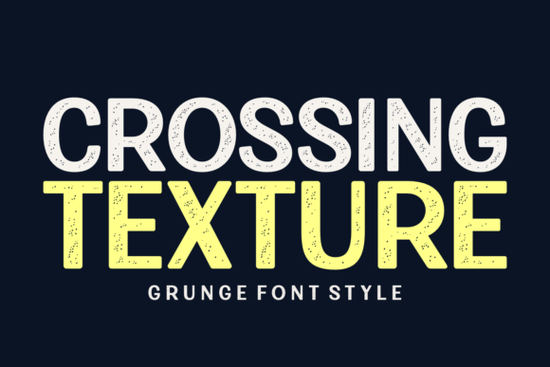
The Crossing Texture Font is a standout choice for anyone looking to add a unique, vintage-inspired touch to their design projects. This font brings a sense of ruggedness and nostalgia, making it ideal for creative professionals and hobbyists alike. Whether you're working on a print-on-demand product, a branding project, or a personal art piece, the Crossing Texture Font offers a distinctive visual style that captures attention.
Designed with a grunge aesthetic, this font features textured elements that give it a distressed, handcrafted look. The bold strokes and rough edges make it perfect for designs that need a strong, commanding presence. Its military-inspired vibe adds another layer of depth, making it versatile enough for a variety of applications. From posters to packaging, this font can elevate your work with its authentic, retro feel.
If you're exploring fonts that combine modern design with vintage charm, the Crossing Texture Font is worth considering. It’s particularly well-suited for those who want to infuse their projects with a sense of history and character. The texture and distress elements are subtle but effective, ensuring the font remains readable while still standing out.
What Makes the Crossing Texture Font Unique?
The Crossing Texture Font stands out due to its combination of visual texture and strong typography. Unlike many other fonts, it doesn’t just focus on legibility it adds a tactile quality that can enhance the overall aesthetic of a design. This makes it especially useful for projects where the visual impact is as important as the message.
One of the key features of this font is its ability to convey a sense of age and authenticity. The distressed look gives it a worn, handmade appearance that feels more organic than digital. This is especially appealing for designers who want to create a more grounded, real-world feel in their work.
Another advantage is its versatility. While it has a strong personality, it can still be used in a variety of contexts. Whether you're designing a logo, a banner, or a social media post, the Crossing Texture Font can adapt to different styles without losing its identity.
How to Use the Crossing Texture Font in Your Projects
When using the Crossing Texture Font, consider the context of your design. Its bold and textured style works best in larger text sizes, such as headlines or titles. For body text, it may be too heavy or difficult to read, so it’s best reserved for display purposes.
Pairing it with simpler fonts can help balance the design. For example, using a clean sans-serif font alongside the Crossing Texture Font can create a nice contrast that draws attention to the main message. This approach is commonly used in poster designs and branding materials.
Experimenting with color and background can also enhance the effect of the font. Darker colors on light backgrounds tend to highlight the texture more effectively, while contrasting colors can make the font stand out even more.
Similar Fonts You Might Like
If you’re interested in other fonts with similar styles, you might want to explore options like Daisy Pop Font, Drip Haus Font, or Inkvera Font. These fonts also offer unique textures and styles that can complement your design work.
For those who prefer a more rugged or military-inspired look, American Western Font and Summer Park Font are great alternatives. Each of these fonts has its own distinct character and can be used in different creative contexts.
If you want to see more examples of this type of font, you can check out Crossing Texture Font on Creative Fabrica. This platform offers a wide range of fonts, including many that share the same vintage and textured style.
Whether you're a designer, crafter, or small business owner, the Crossing Texture Font provides a powerful tool for adding visual interest and character to your work. Its unique blend of texture, strength, and nostalgia makes it a valuable addition to any design toolkit.
Before finalizing your design, make sure to test the font in different sizes and contexts. This will help you understand how it performs in real-world applications and ensure it meets your creative needs.
Explore Design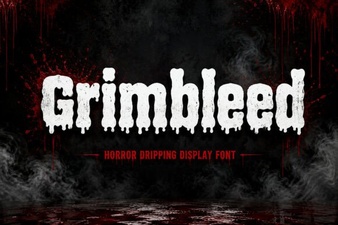 Grimbleed Font Design Trends and Creative Uses
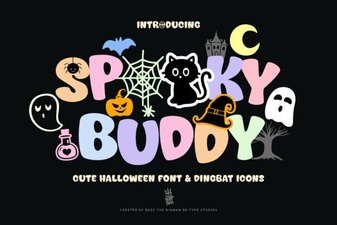 Spooky Buddy Font for Creative Projects
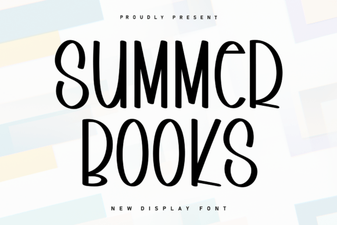 Summer Books Font Design Trends 2024
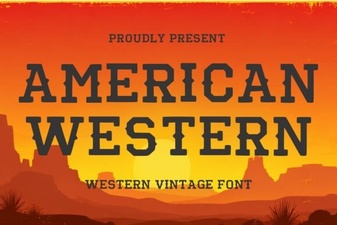 American Western Font Design Ideas for Unique Projects
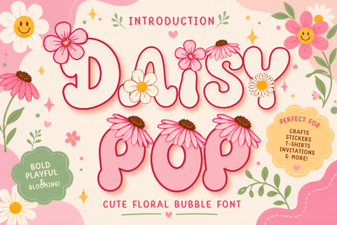 Daisy Pop Font Design Trends and Creative Uses
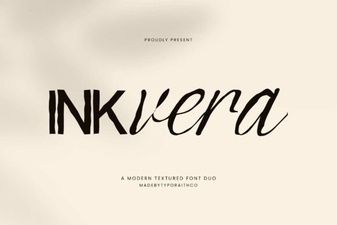 Inkvera Font Design Trends and Creative Uses